


ASB01 Tilam Mampat Teras Buih Berketumpatan Tinggi Boleh Dihirup
Tilam ini, yang dikenal pasti dengan nombor model ASB01, menampilkan gabungan bahan termaju yang
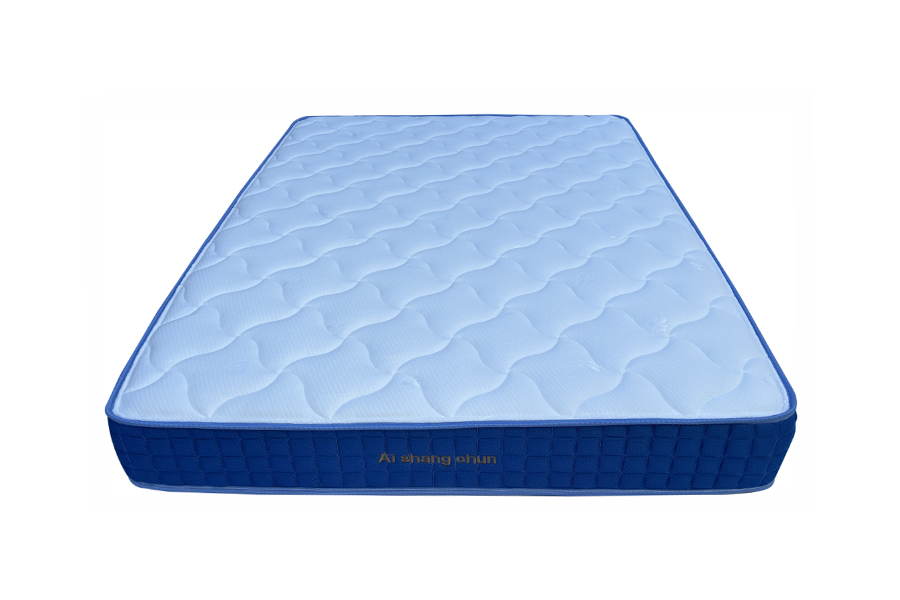
Tilam ini, yang dikenal pasti dengan nombor model ASB01, menampilkan gabungan bahan termaju yang
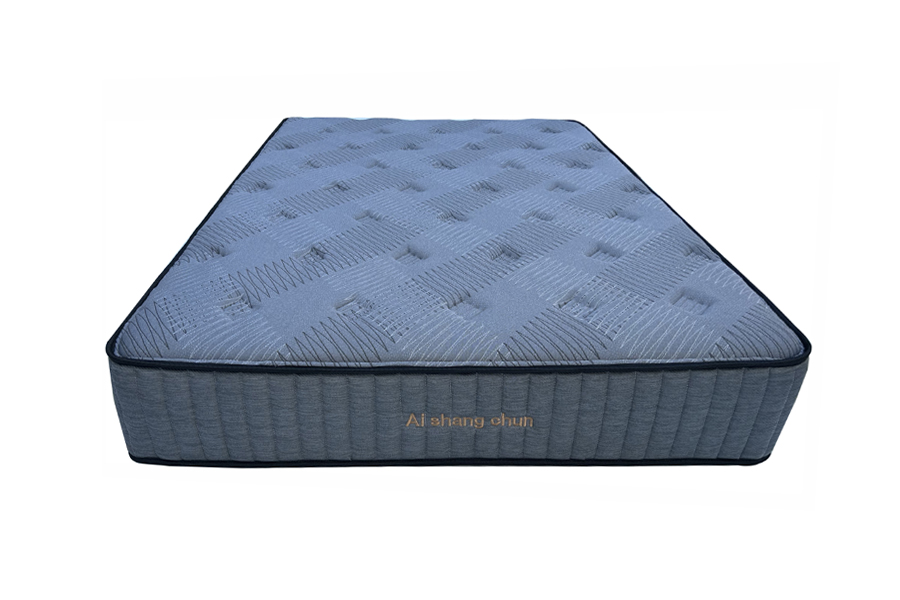
Tilam ini direka dengan bahan gentian buluh berkualiti tinggi, memastikan keselesaan dan ketahana
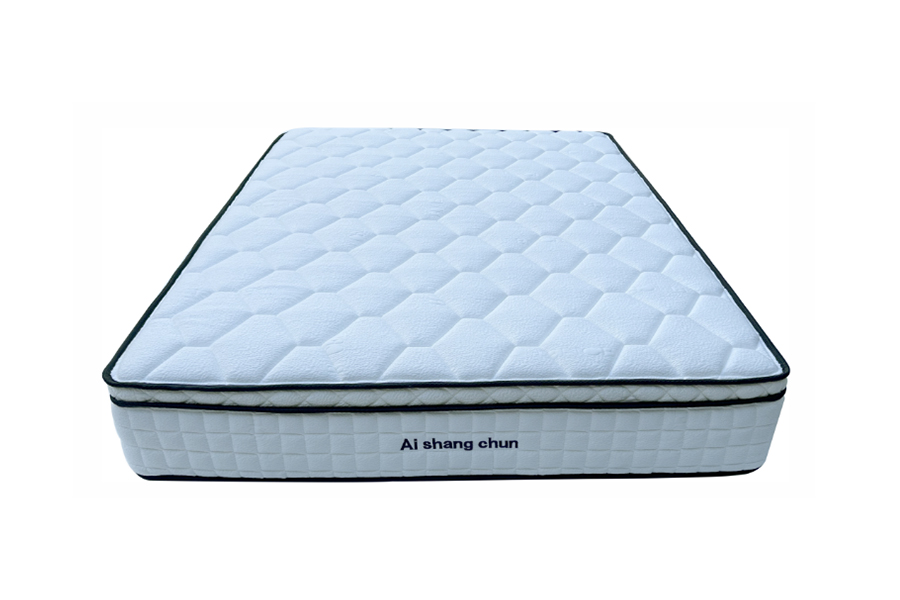
Siri tilam ini direka untuk menawarkan gabungan keselesaan dan sokongan melalui pembinaan dan bah
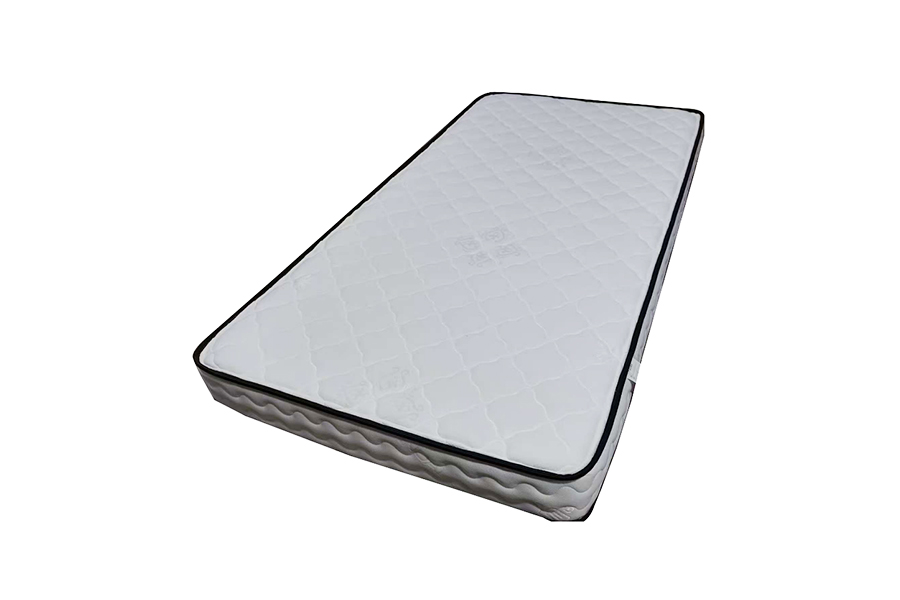
Produk ini kelihatan seperti tilam yang direka untuk keselesaan dan ketahanan. Ia mempunyai pelba
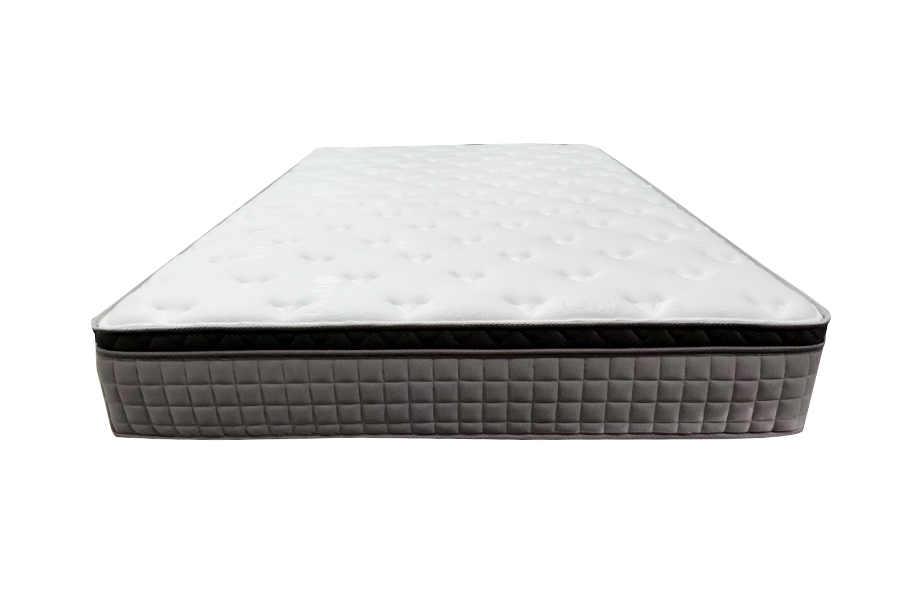
Tilam ini, nombor model 4670, direka untuk keselesaan dan sokongan yang unggul. Tilam ini mempuny
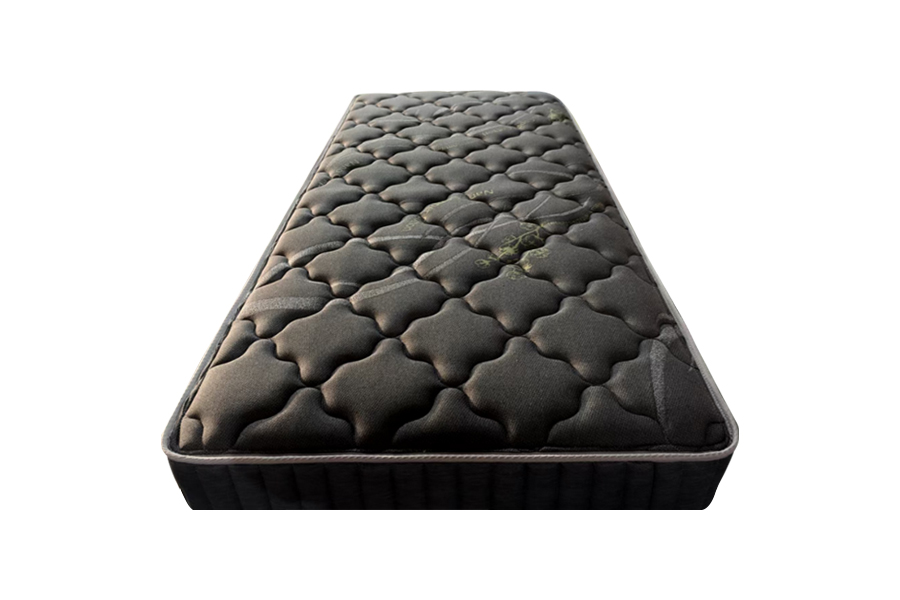
Tilam Buih Memori Gentian Buluh direka untuk memberikan pengalaman tidur yang unggul, menggabungk
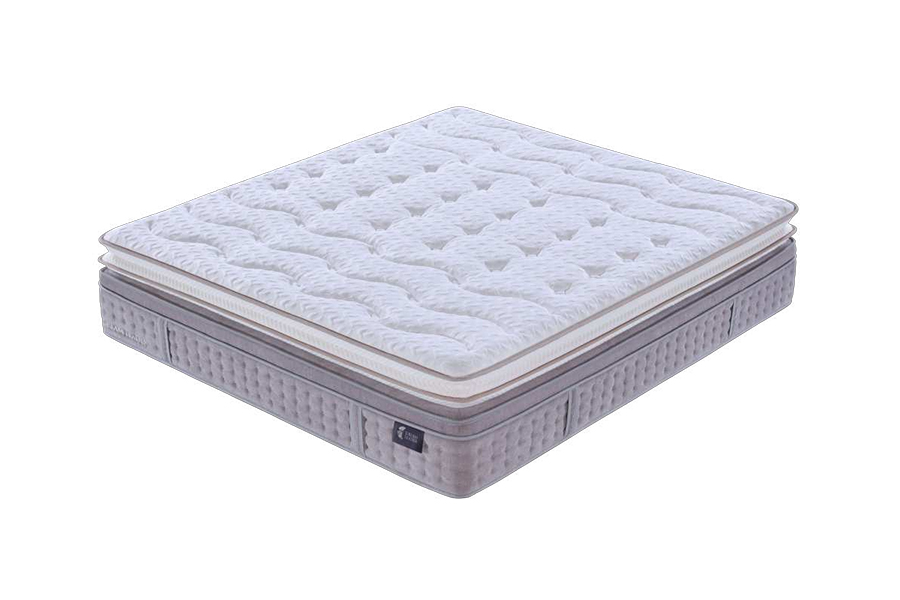
Alami sokongan premium dalam reka bentuk yang menjimatkan ruang dengan Tilam Mampat Buih Tencel F
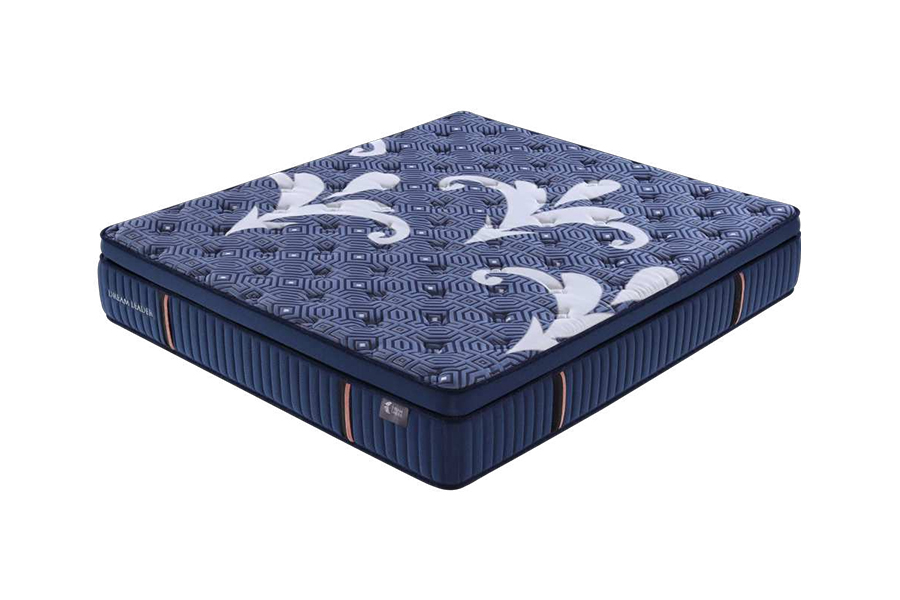
DL2511 Gel Memory Foam High comfort Spring Mattress kami menggabungkan sokongan dan keselesaan ya
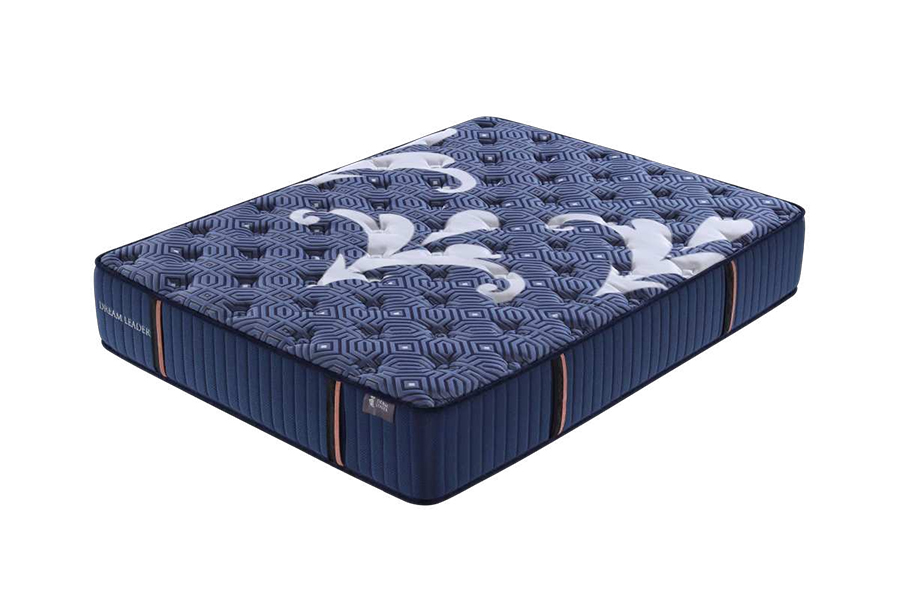
Alami keselesaan generasi akan datang dengan Tilam Mampat Busa Memori DL2512 Graphene kami. La
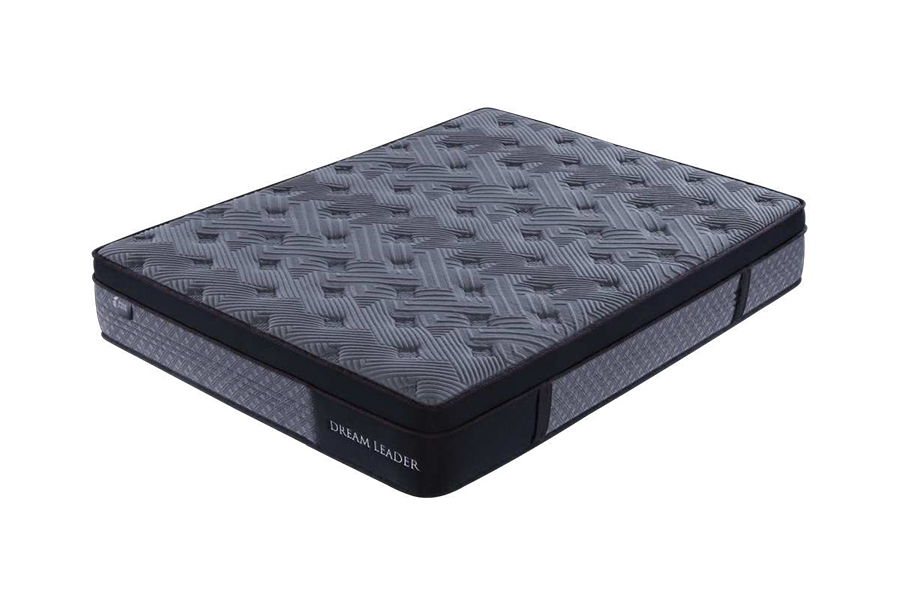
Bersaiz sempurna untuk ruang yang padat, DL2513 High Resilience Gel Foam Spring Mattress memberik
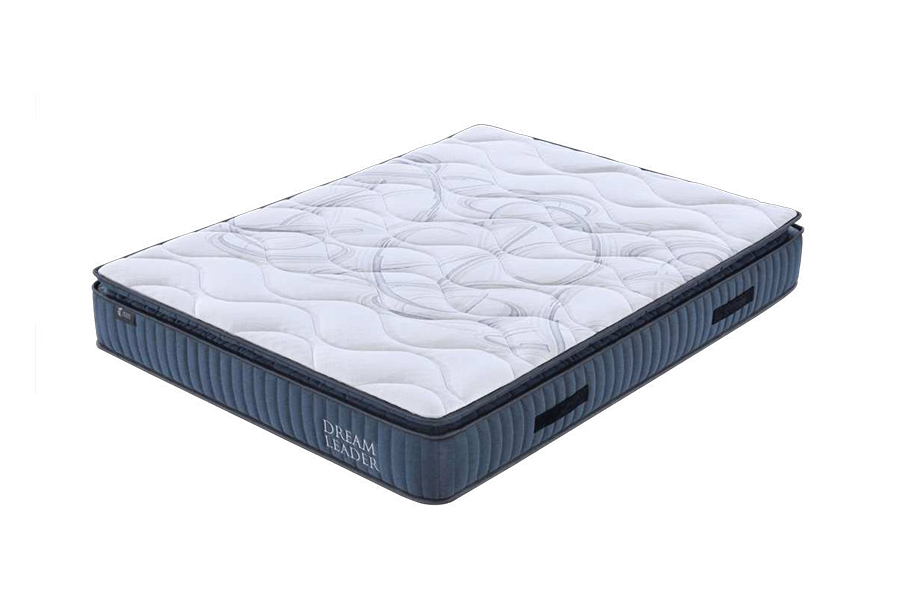
DL2503 Memory Foamand Pocket Spring Mattress menggabungkan yang terbaik dari kedua-dua dunia untu
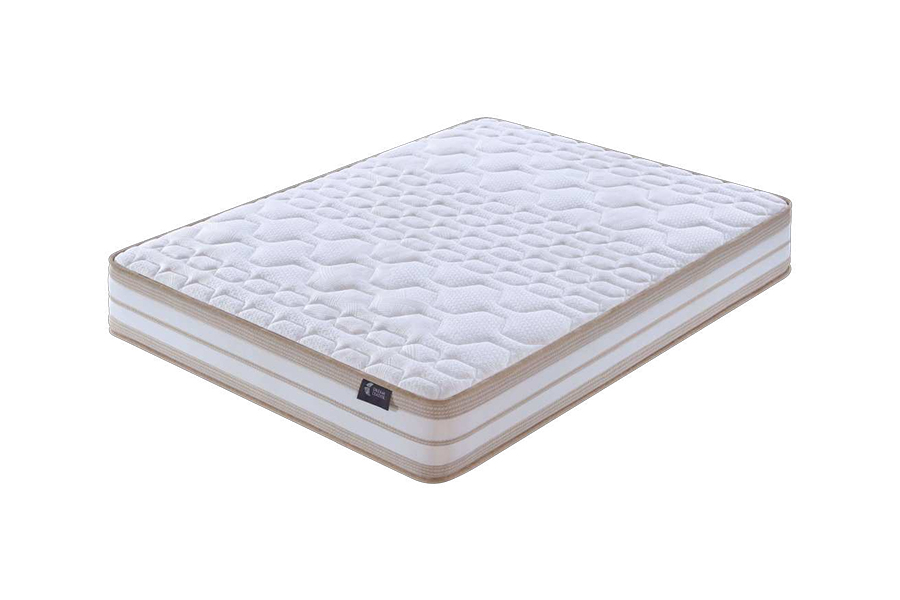
DL2504 Pocket Nonwoven Fabric Spring ditentukur dengan teliti kepada tahap keselesaan 4–5 pada
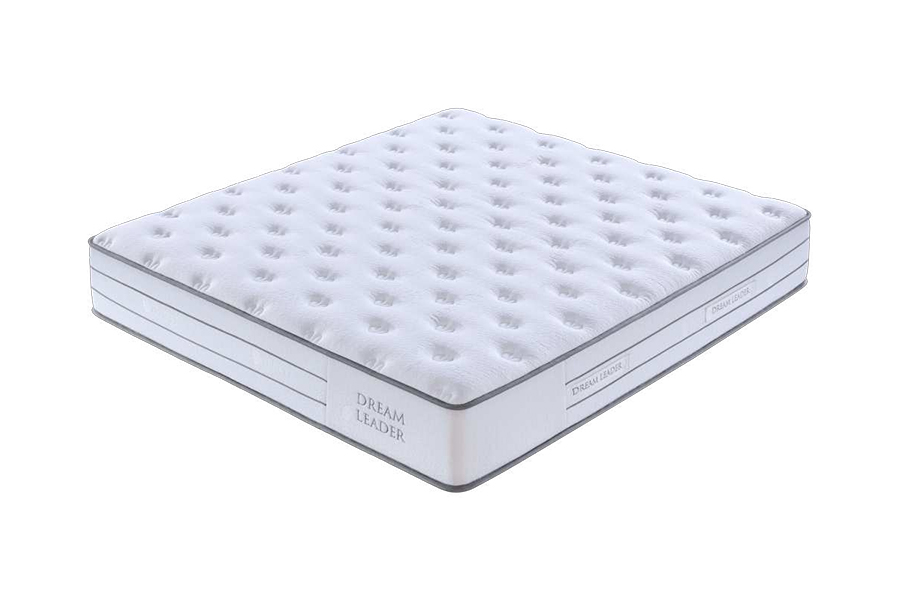
Tilam Spring Foam Memori DL2517 Graphene dinilai pakar tahap ketegasan 8—sesuai untuk mereka ya
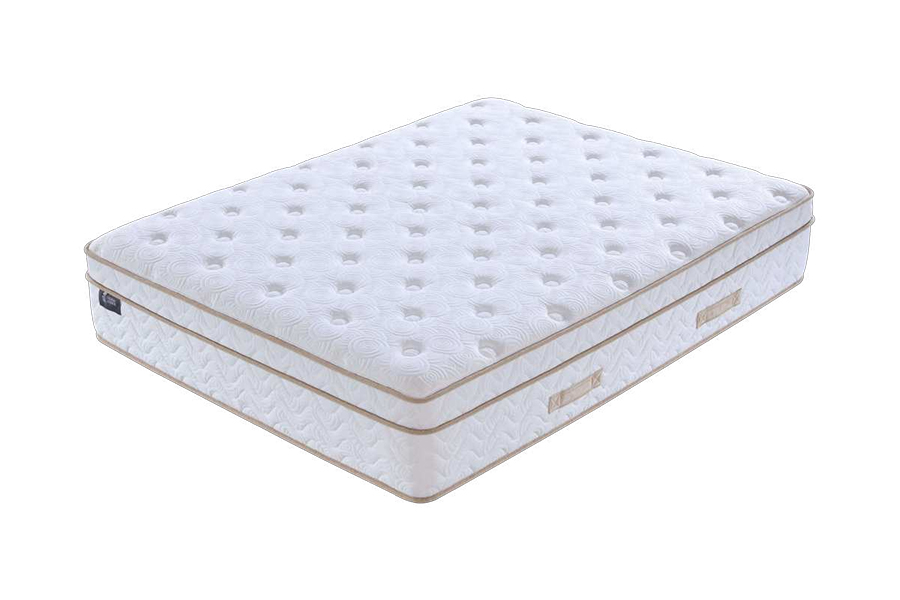
Direka bentuk untuk ruang pintar dan sumber pintar, Tilam Spring Buih Ketumpatan Tinggi DL2515 da
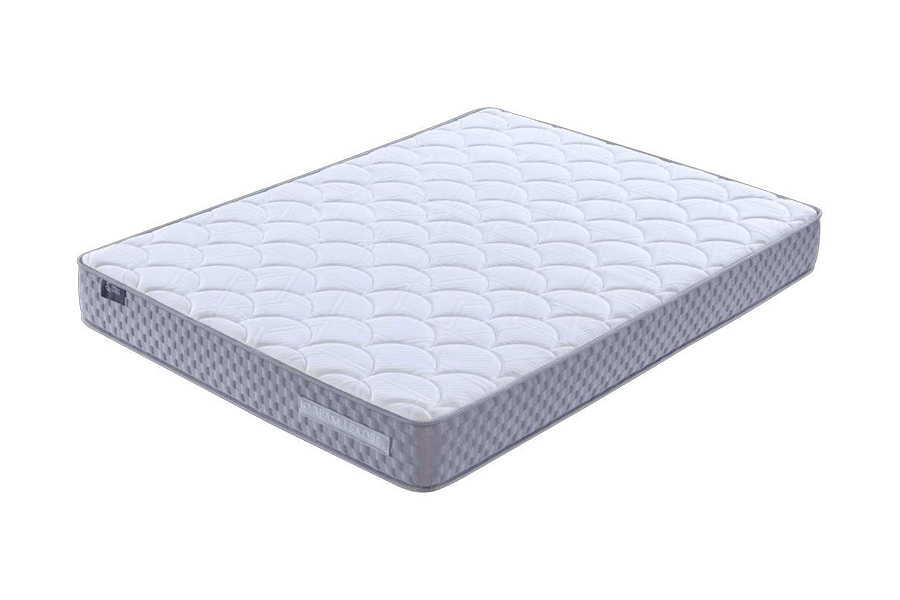
DL2516 Pocket Spring dan Polyester Fabric Spring Mattress memberikan pengalaman tidur yang lembut
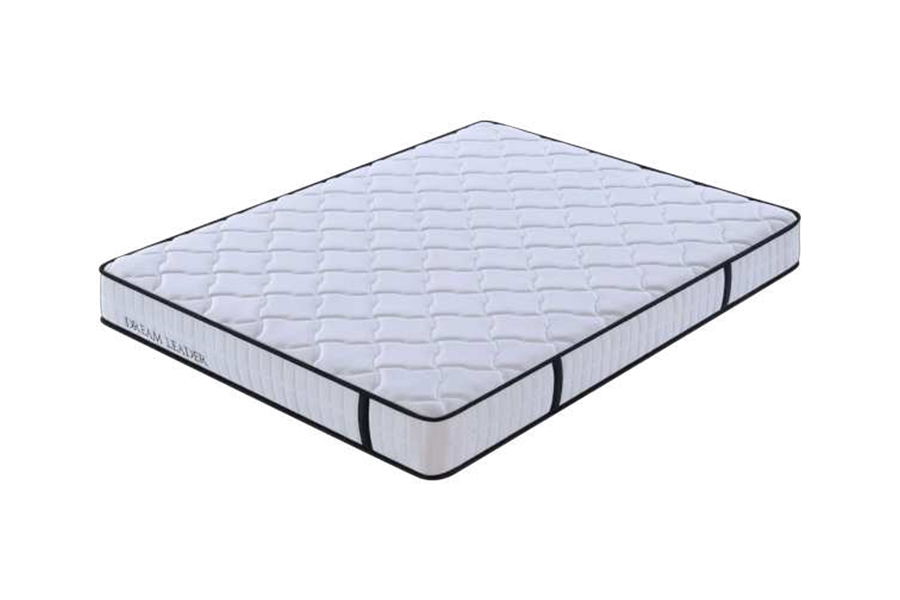
Tilam Spring Fabrik Bukan Tenunan kami menawarkan rasa lembut yang selesa (tahap ketegasan 3)—s
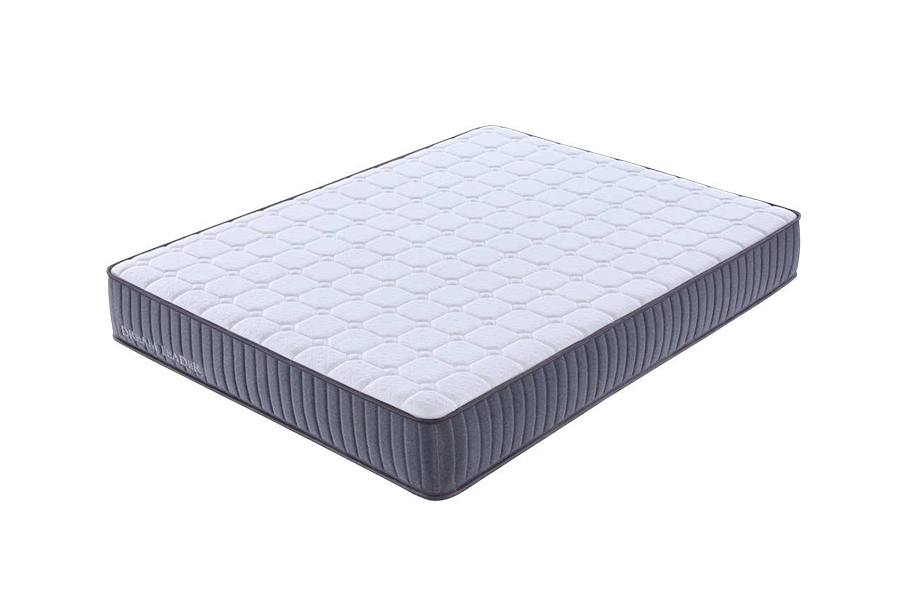
DL2404 High Density Foam dan Nonwoven Fabric Spring Mattress memberikan ketahanan yang luar biasa
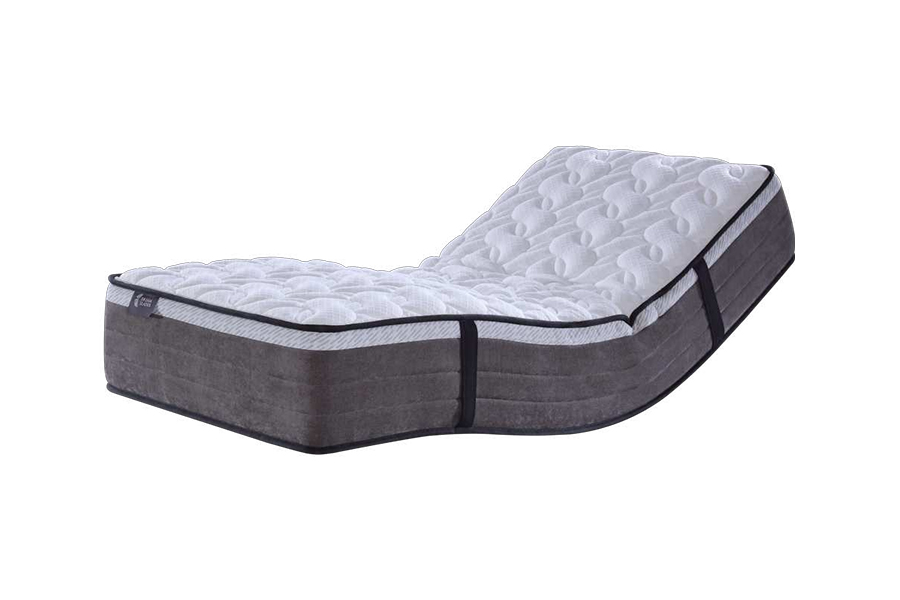
Alami keselesaan pintar dengan DL2518 High Resilience And Highly Breathable Foam Spring Tilam kam
Tilam ialah komponen asas dalam memastikan tidur yang berkualiti, dan siri tilam kami yang dipilih dengan teliti menawarkan pelbagai pilihan untuk memenuhi pelbagai pilihan. Sama ada anda sedang mencari ketegasan, kelembutan atau bahan khusus, setiap tilam direka untuk meningkatkan keselesaan dan sokongan, membolehkan anda bangun dengan rasa segar. Koleksi kami merangkumi daripada busa memori kepada reka bentuk hibrid, menyediakan penyelesaian yang disesuaikan untuk pelbagai keperluan tidur.
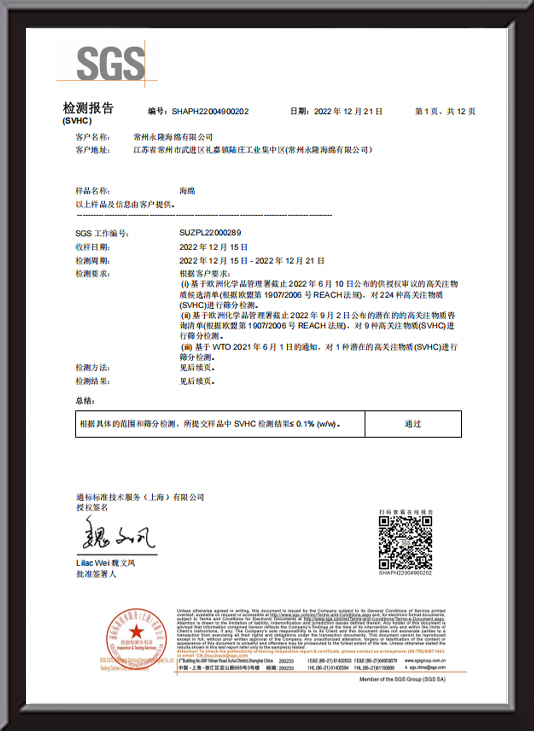
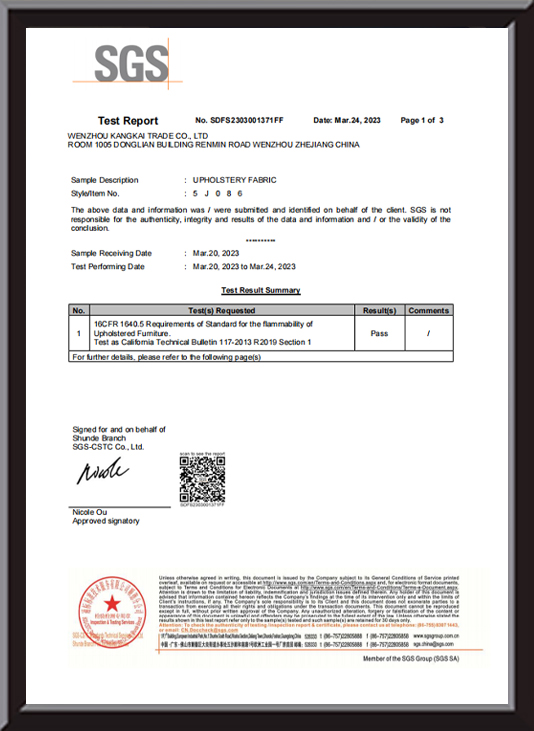
Setiap tilam dalam siri kami menjalani proses kawalan kualiti yang ketat, memastikan ketahanan dan prestasi yang tahan lama. Bahan yang digunakan diperoleh dengan teliti, dengan fokus pada kebolehnafasan dan peraturan suhu, menawarkan persekitaran tidur yang sejuk dan selesa. Sama ada anda mempunyai keperluan khusus seperti sokongan tulang belakang atau pelepasan tekanan, kami menawarkan tilam yang memenuhi keutamaan keselesaan individu anda.
Selain itu, kami memahami kepentingan tidur dalam kesejahteraan keseluruhan, dan tilam kami direka bukan sahaja untuk berehat tetapi untuk kesihatan yang lebih baik. Dengan penekanan pada ergonomik dan inovasi reka bentuk, kami menyediakan pengalaman tidur yang melampaui kebiasaan, mengubah tempat tidur anda menjadi tempat perlindungan untuk bersantai dan meremajakan.



Panjang Tepat Katil Bersaiz King UK Ukuran katil saiz king UK 200cm (6'6") panjang dan 150cm (5'0") lebar. Itulah saiz tilam yang dibina oleh seluruh industri, daripada pengeluar peralatan tempat tidur kepada pembekal rangka, jadi apabila seseoran...
Lihat LagiCari Sumber Sebelum Anda Membetulkannya Setiap decitan mempunyai alamat yang tepat, walaupun ia terasa seperti ia datang dari mana-mana sekaligus. Sebelum mencapai minyak atau sepana, luangkan masa selama dua minit untuk menjejaki bunyi bising — langkah itu adalah sat...
Lihat LagiMengapa Perabot Bilik Tidur Lebih Rentan Daripada Rupanya Segelas air yang terhantuk di atas meja malam, pelembap yang bocor semalaman, tingkap dibiarkan terbuka semasa ribut — tiada satu pun daripada ini berasa seperti kecemasan pada masa itu. Tetapi perabot bilik ti...
Lihat LagiTemperature sensitivity affects how a mattress adapts throughout the night, especially in climates with large seasonal swings. Memory foam tends to soften in warmer environments and firm up in cooler conditions, which can influence its contouring accuracy. Hybrid designs, supported by coil systems, experience less fluctuation in firmness because airflow around the springs helps stabilize internal temperature. Understanding this behavior is beneficial when selecting a mattress for regions with variable weather or for rooms without consistent climate control.
Different mattress constructions respond uniquely to years of compression cycles. Memory foam gradually develops softer zones in areas with frequent pressure, especially if the foam density is on the lower side. Hybrid mattresses distribute load more evenly through their coil support system, reducing surface fatigue and maintaining a stable feel for longer periods. Examining density ratings, coil gauge, and coil count helps forecast how each design may perform after several years of use in real-life conditions.
Motion isolation is important for partners with different sleep schedules or for individuals who wake easily. Memory foam is effective at absorbing micro-vibrations because of its slow rebound behavior. Hybrid mattresses, depending on coil design, may offer balanced motion control but can still transmit slight movements when using interconnected springs. Pocketed coils, when combined with foam comfort layers, can bridge the performance gap and produce motion isolation closer to that of full foam designs.
Edge performance is often overlooked but plays a major role in usable surface area. Memory foam mattresses, especially those without reinforced perimeters, may compress significantly when sitting near the edge. Hybrids benefit from edge-support coils or high-density perimeter foam, creating a stronger boundary for sleepers who rest near the side of the bed or frequently get in and out. Observing how edges respond under load helps determine whether the design supports daily habits comfortably.
The internal airflow structure directly influences temperature management. Memory foam relies on open-cell construction or ventilation channels to improve breathability, but heat retention can still occur if airflow is limited. Hybrid mattresses create multiple ventilation pathways because of their coil systems, allowing warm air to escape more effectively. The table below compares typical airflow characteristics across common design variations.
| Mattress Type | Airflow Mechanism | Heat Dissipation Performance |
| Memory Foam | Open-cell foam or perforated layers | Moderate, varies by foam density |
| Hybrid | Spring channels with foam comfort layers | Higher due to natural ventilation |
Sleepers with shifting positions need a surface that reacts predictably to weight redistribution. Memory foam contours deeply, providing uniform pressure relief but can create a “sinking” effect when switching positions. Hybrids, supported by coils, rebound more quickly and make repositioning smoother. Sleepers who alternate between back and side positions often evaluate these differences to avoid nighttime interruptions caused by resistance or delayed response from the mattress surface.
Noise matters for individuals who prefer a quiet sleep environment. Memory foam mattresses are naturally silent because all layers are composed of foam. Hybrids may generate subtle sounds depending on coil design; pocketed coils typically reduce noise compared to interconnected systems. Foam encasements around coil units further dampen sound, making advanced hybrids suitable for sleepers who value minimal disruption.
The care routines vary between the two mattress types. Memory foam should be rotated periodically to prevent uneven softening, while hybrid mattresses benefit from maintaining even support across the coil system. Using breathable protectors helps reduce moisture buildup, which can influence foam aging. Choosing a suitable bed frame with consistent support also plays a role in keeping both designs stable and preventing sagging over time.
The decision often depends on the sleeper’s priorities rather than marketing categories. Memory foam excels for those who require focused pressure relief, minimal movement transfer, and contouring for joint comfort. Hybrid mattresses provide value for individuals who need stronger edge performance, enhanced cooling, and easier repositioning. Balancing long-term durability, sleep temperature, motion behavior, and firmness stability helps determine which construction aligns with personal sleep conditions.

Baishijian Rd, Zon Pembangunan Ekonomi Langxi, Langxi, Anhui 242100, China
+86 563 7375018 (Pejabat)
+86 15956277532 (Mudah Alih)
[email protected] (E-mel)
Hubungi kami untuk inspirasi terkini dan katalog produk terbaru kami.
